
Understanding Closing Costs for First-Time Buyers
Home Buying, Closing Costs, First-time Buyers
Understanding Closing Costs: A Friendly Breakdown for New Buyers
Closing on a home is exciting, but the final bill can be a surprise if you’re not prepared. This guide walks first-time buyers through closing costs, real estate fees, and mortgage expenses so you know exactly what you’re paying for—and why.
What Are Closing Costs, Exactly?
When you’re new to home buying, the phrase closing costs can sound mysterious and a little scary. In simple terms, closing costs are the collection of fees and expenses you pay at the end of the real estate transaction, on top of your down payment. They cover the work that lenders, title companies, appraisers, and other professionals do to help you buy your home safely and legally.
For most first-time buyers, closing costs usually run about 2%–5% of the home’s purchase price. So if you’re buying a $300,000 home, you might see closing costs somewhere between $6,000 and $15,000. That’s a big range, which is why understanding the cost breakdown really matters before you fall in love with a house.
💡 Friendly Tip: When you’re planning your budget, think in terms of “total cash to close,” which includes your down payment plus closing costs. That way, you’re not caught off guard on closing day.
Why Closing Costs Matter for First-time Buyers
As a first-time buyer, you’re probably focused on saving for a down payment and making sure your monthly mortgage payment fits your budget. That’s important—but if you ignore closing costs, you could end up scrambling at the last minute, borrowing from family, or dipping into savings you meant to keep as an emergency fund. Understanding these real estate fees early helps you:
Set a realistic savings goal for your home buying journey
Compare mortgage offers more confidently, including total mortgage expenses
Negotiate with the seller or lender from an informed position
The good news? Once you see how closing costs are built, they stop feeling like a mystery fee and start feeling like a checklist of services you’re choosing to pay for.
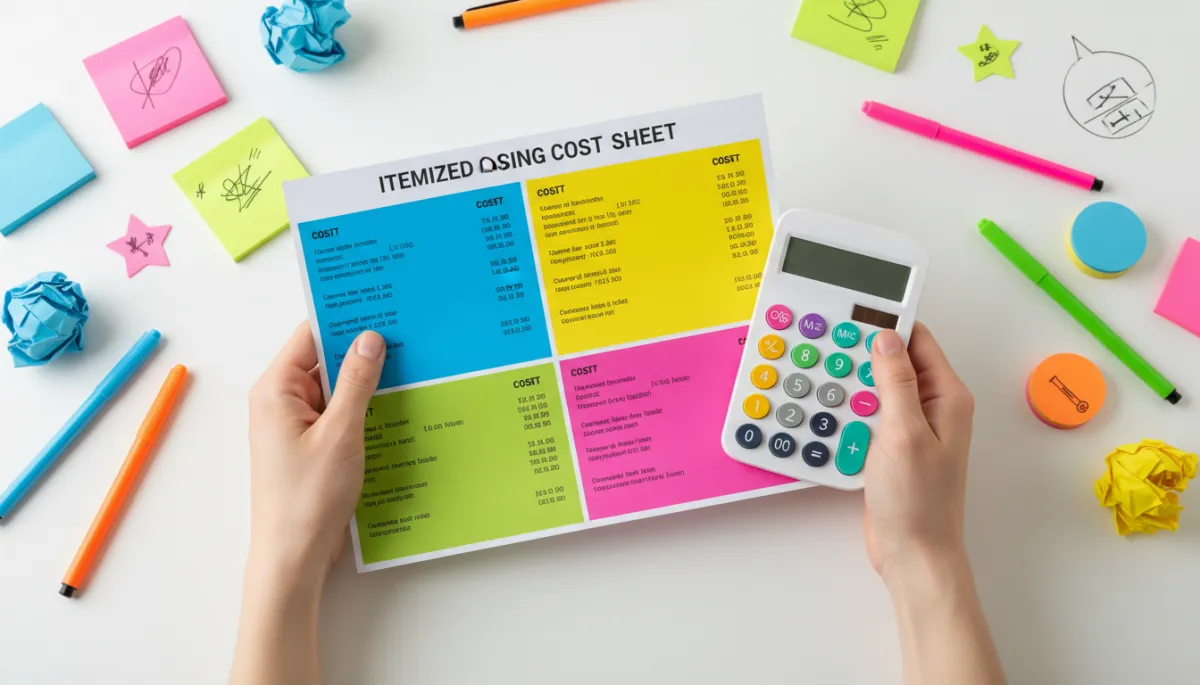
Seeing each fee listed clearly makes closing costs feel far more manageable.
Big Picture Cost Breakdown: Who Gets Paid and Why
Let’s start with a high-level cost breakdown of typical closing costs you might see in a home buying transaction. Think of your closing costs as falling into a few main buckets:
Mortgage-related expenses – fees from your lender for processing and approving your loan
Property-related costs – checking the condition and legal status of the home you’re buying
Prepaid and escrow items – money set aside for future taxes, insurance, and interest
Real estate fees and government charges – payments to the professionals and agencies that make your sale official
We’ll walk through each of these categories so you know what’s typical, what’s optional, and where you might have room to negotiate as a first-time buyer.
Mortgage Expenses: The Lender Side of Closing Costs
A big chunk of your closing costs comes from your lender. These mortgage expenses pay for evaluating your application, verifying your information, and creating the loan that lets you buy your home. Here are the most common lender fees you’ll see in your cost breakdown:
Origination fee: Often 0.5%–1% of the loan amount, this is what the lender charges to process your loan. Not all lenders charge this, so it’s worth comparing offers.
Application or underwriting fees: These cover the work of reviewing your credit, income, and debt to decide if you qualify for the mortgage.
Discount points (optional): You can choose to pay “points” up front to get a lower interest rate. One point usually equals 1% of the loan amount. This increases your closing costs but can lower your monthly payment for the life of the loan.
Credit report fee: A relatively small charge (often under $50) for pulling your credit reports and scores.
💡 Friendly Tip: When you compare lenders, don’t just look at the interest rate. Ask for a Loan Estimate from each lender so you can compare total closing costs and long-term mortgage expenses side by side.
Property-related Real Estate Fees: Making Sure the Home Is Solid
The next group of closing costs covers the work done to confirm that the property you’re buying is worth the price and free of legal issues. These real estate fees protect you as a buyer and protect your lender as well. Common property-related costs include:
Appraisal fee: The lender hires an independent appraiser to estimate the home’s value. This helps ensure you’re not overpaying and that the home is worth at least the loan amount. Expect a few hundred dollars here, depending on your area and property type.
Home inspection (usually paid before closing): While sometimes listed separately from closing costs, many first-time buyers think of it as part of the overall cost of buying a home. An inspection helps you understand the home’s condition and potential repairs.
Survey fee (in some areas): A survey confirms property boundaries and can reveal issues like fences or driveways built over the line. Not every transaction requires this, but when it does, it shows up in your cost breakdown.

Appraisals and inspections protect first-time buyers from costly surprises later.
Title, Attorney, and Escrow: The Legal Side of Home Buying
When you buy a home, you’re not just getting a building—you’re taking ownership of a legal piece of property. That means you’ll see several closing costs related to title work, legal documents, and the escrow process. These real estate fees may include:
Title search: A title company checks public records to make sure the seller can legally transfer the property to you and that there are no hidden liens or claims against it.
Title insurance: This protects you and your lender in case someone later challenges your ownership. In many areas, the buyer pays the lender’s title insurance, and the owner’s policy is negotiable between buyer and seller.
Attorney fees (in some states): Some states require an attorney to prepare or review closing documents. Even when it’s not required, many first-time buyers like having a lawyer look everything over for peace of mind.
Escrow or closing fee: This goes to the escrow company or settlement agent who coordinates the closing, handles the funds, and makes sure everyone gets paid correctly.
These legal and administrative costs may not be the most exciting part of home buying, but they are what turn your offer into official ownership.
Prepaid Items and Escrows: Taxes, Insurance, and Interest
Another piece of the closing cost puzzle is prepaid items and money collected for your escrow account. These aren’t fees in the same way as an appraisal or title search—they’re advance payments for costs you’d have to pay anyway as a homeowner. Typical prepaid and escrow-related mortgage expenses include:
Property taxes: Depending on when you close, you may need to pay a portion of the year’s property taxes up front. Some of this money goes into an escrow account that your lender uses to pay your taxes when they’re due.
Homeowners insurance: Lenders usually require you to pay the first year’s insurance premium at closing. They may also collect a few months of premiums for your escrow account.
Prepaid interest: If you close in the middle of the month, you’ll often pay interest from your closing date until the first full month of your mortgage. This is why your first monthly payment might not be due right away.
💡 Friendly Tip: These prepaid items don’t make your home more expensive overall—they just change when you pay. Think of them as a head start on your future homeowner bills.
Government and Recording Fees: Making It Official
The last group of closing costs comes from local and state governments. These real estate fees are what officially record your purchase and, in some areas, tax the transaction itself. You might see:
Recording fees: Charged by your county or city to record your new deed and, when applicable, your mortgage documents.
Transfer taxes: Some states and municipalities charge a tax when property changes hands. Who pays—buyer or seller—varies by location and can sometimes be negotiated.

Government and recording fees are the final step to make your purchase official.
Who Pays What? Buyers, Sellers, and Negotiation
One of the most common questions first-time buyers ask is, “Do I have to pay all of these closing costs?” The answer is: not always. While buyers typically cover most mortgage expenses and prepaid items, some real estate fees are traditionally paid by the seller, and many costs are negotiable depending on your local market and the strength of your offer.
In a slower market, you might be able to ask the seller to contribute a certain amount toward your closing costs, sometimes called seller concessions. In a hot market where homes receive multiple offers, sellers are less likely to agree, so your ability to negotiate might be limited. Your real estate agent can help you understand what’s realistic in your area and how to structure your offer.
How to Estimate Your Closing Costs Early
You don’t have to wait until the last minute to find out your closing costs. Here are a few friendly ways to get a realistic estimate during the early stages of your home buying journey:
Talk to a lender early: Ask for ballpark closing cost estimates based on your price range, loan type, and location. Once you apply, they’ll provide an official Loan Estimate with a detailed cost breakdown.
Use online calculators: Many lenders and real estate sites offer closing cost calculators that factor in typical mortgage expenses, taxes, and insurance for your area.
Ask your agent: An experienced buyer’s agent has seen plenty of first-time buyers close on homes like the one you want. They can give you a realistic range for closing costs in your market.
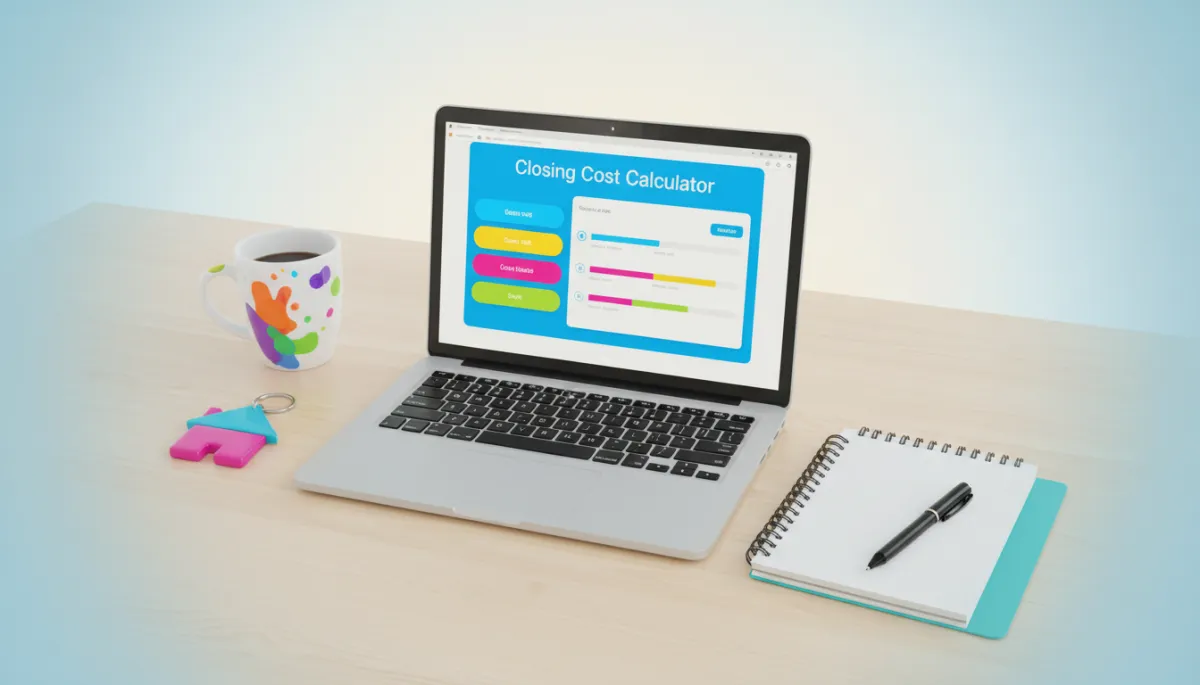
Estimating closing costs early helps first-time buyers budget with confidence.
Ways to Reduce or Manage Your Closing Costs
While you can’t avoid closing costs completely, you can be strategic about managing them. Here are a few ideas that many first-time buyers find helpful:
Shop around for lenders: Different lenders may charge different origination fees and offer different interest rates. Over the life of your loan, small differences in mortgage expenses can add up significantly.
Ask about lender credits: Some lenders will offer to cover part of your closing costs in exchange for a slightly higher interest rate. This can be helpful if cash at closing is tight, but be sure to weigh the long-term cost.
Look for first-time buyer programs: Many states, cities, and nonprofits offer grants or special loans that help with down payments and closing costs for first-time buyers who qualify.
Time your closing date: Closing near the end of the month can reduce the amount of prepaid interest you owe at closing, slightly lowering your total cash to close.
Reading Your Closing Disclosure Like a Pro
A few days before closing, you’ll receive a document called the Closing Disclosure. This is your final, official cost breakdown of every fee, tax, and charge you’ll pay to complete your home buying process. It shows:
Your loan amount, interest rate, and monthly payment
Detailed closing costs, grouped by type (lender fees, real estate fees, government charges, and more)
Your total cash needed to close, including down payment and closing costs
Take your time reviewing this document. Compare it to your earlier Loan Estimate, and don’t be shy about asking your lender or agent to explain anything that doesn’t make sense. This is your money, your mortgage expenses, and your future home—so you deserve clear answers.
Bringing It All Together: Closing Costs Without the Stress
Understanding closing costs doesn’t mean memorizing every possible fee. It’s about seeing the big picture of your home buying cost breakdown and knowing what questions to ask. As a first-time buyer, here’s what you really need to keep in mind:
Closing costs typically run 2%–5% of the home’s price—plan for this in your savings.
Mortgage expenses, property-related fees, legal costs, and prepaid items all work together to protect you and make the sale official.
Some real estate fees are negotiable, and there are programs designed to help first-time buyers with closing costs.
Your Loan Estimate and Closing Disclosure are your best friends for understanding every dollar you’ll pay.
Buying your first home is a big step, but it doesn’t have to be a confusing one. When you take the time to understand closing costs and how they fit into your overall home buying plan, you trade last-minute surprises for calm, confident decisions. And that makes getting your new keys feel even better.
As you move forward, remember: every question about closing costs is a good question. Lean on your lender, your real estate agent, and trusted professionals to walk you through the details. With the right support and a clear cost breakdown, you’ll be ready to sign on the dotted line—and step into your new home with confidence and a smile.
