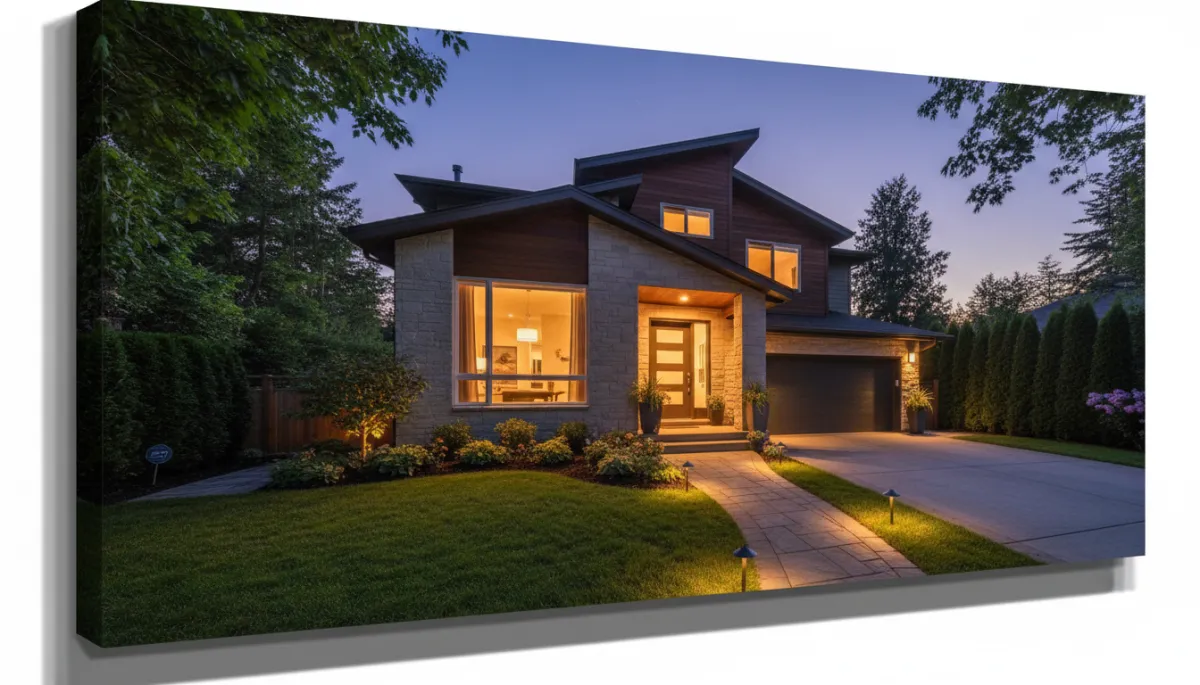
Protect Your Home While on Vacation: A Guide
Home Security, Vacation Safety, Travel Tips
How to Protect Your Home While on Vacation: A Friendly, Practical Guide
Heading out of town should feel exciting, not stressful. With a little planning and the right home security habits, you can enjoy your vacation knowing your place is safe, cozy, and waiting for you when you return.
Why Vacation Safety Starts at Home
When people think about vacation safety, they often picture crowded airports, busy tourist spots, and keeping an eye on wallets and passports. That matters, of course, but real peace of mind starts with how you protect your home before you even lock the front door. Burglars look for easy targets, and an obviously empty house can be one of them. The good news is that with some smart planning, you can make your home look lived-in, strengthen your home security, and greatly prevent burglary risks while you are away.
Think of your vacation prep in two parts: packing your suitcase and preparing your house. Most people are pros at the first one. This guide will help you become just as confident about the second, with friendly, practical travel tips you can reuse every time you go away—even for a weekend.
Step 1: Make Your Home Look Lived-In, Not Empty
One of the simplest ways to boost home security is to make it seem like you never left. Most burglars prefer a quiet, empty house where they will not be disturbed. Your goal is to send the opposite signal: there is activity here, and someone could walk in at any moment.
Use smart lights or timers so lamps turn on in the evening and off at bedtime. Randomize them if possible so they do not follow a perfect pattern.
Leave curtains and blinds in their normal positions. Fully closed blinds for days can look just as suspicious as wide-open ones at night.
Arrange for a neighbor or friend to park in your driveway occasionally if you usually have a car at home.
Pause newspaper deliveries and ask someone to collect mail and packages so they do not pile up on the porch.
💡 Friendly Tip: Walk outside and look at your place the way a stranger would. If it screams “no one is home,” adjust lights, cars, and clutter until it looks pleasantly ordinary.
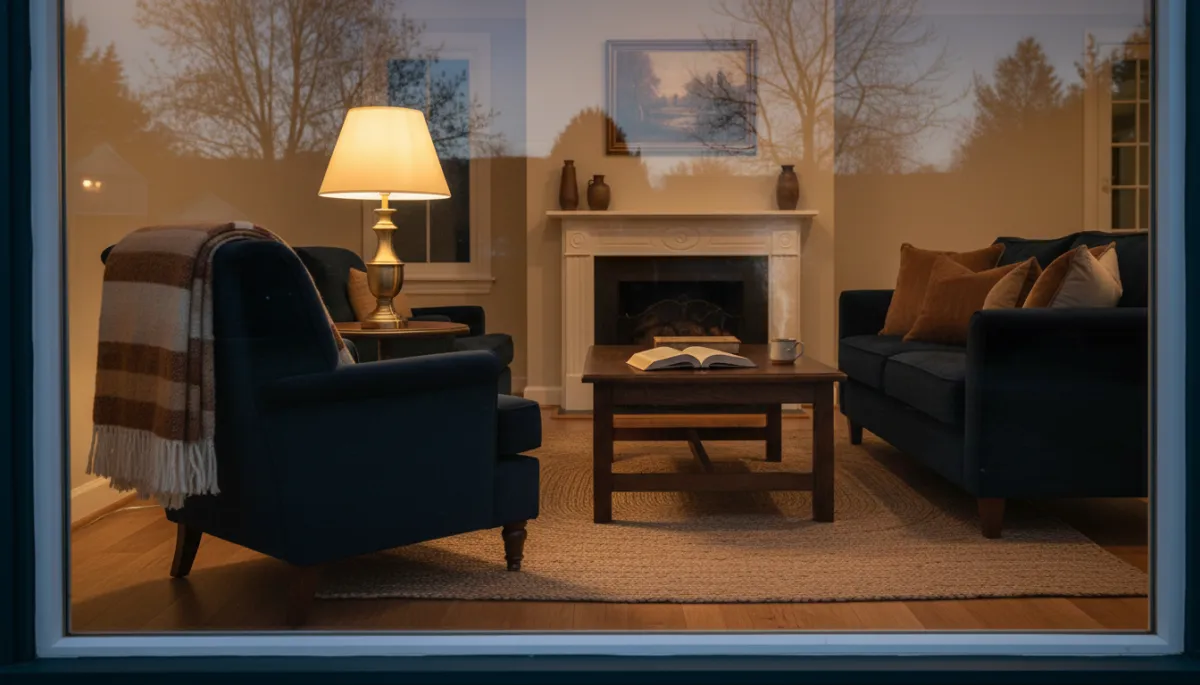
Smart lighting that mimics your routine makes your home feel occupied to passersby.
Step 2: Strengthen Doors, Windows, and Entry Points
Good home security starts with the basics: strong doors, secure locks, and windows that are not easy to force open. Before your trip, take a slow lap around your home—inside and out—and check every possible entry point. You might be surprised by what you find, especially if you have not done this in a while.
Make sure all doors have sturdy deadbolts, not just knob locks. If your front or back door feels flimsy, consider upgrading to a solid core or metal door over time.
Check the door frames and strike plates. Reinforced strike plates with longer screws can make it much harder to kick a door in.
Lock all windows, including small bathroom or basement windows that are easy to forget. Add simple window locks or security bars if needed.
Do not leave ladders or tools outside that could help someone reach upper windows or balconies.
📌 Key Takeaway: The harder it is to get inside, the more likely it is that a burglar will move on. Simple upgrades can go a long way to prevent burglary attempts.
Step 3: Use Smart Home Monitoring Without Overthinking It
Modern home monitoring tools make it easier than ever to keep an eye on your place from anywhere in the world. You do not need a complicated or expensive system to improve home security. Even a few well-placed devices can make a big difference in how confident you feel while you are away on vacation.
Consider a smart video doorbell so you can see and speak to anyone who comes to your front door, even when you are relaxing on a beach miles away.
Install motion-activated cameras at main entry points. Look for options that send alerts to your phone if they detect movement or unusual activity.
Use a monitored security system if it fits your budget. Many services can contact emergency responders for you if an alarm is triggered while you are traveling.
Test all your devices before you leave. Make sure apps are updated, you remember your passwords, and notifications are turned on.
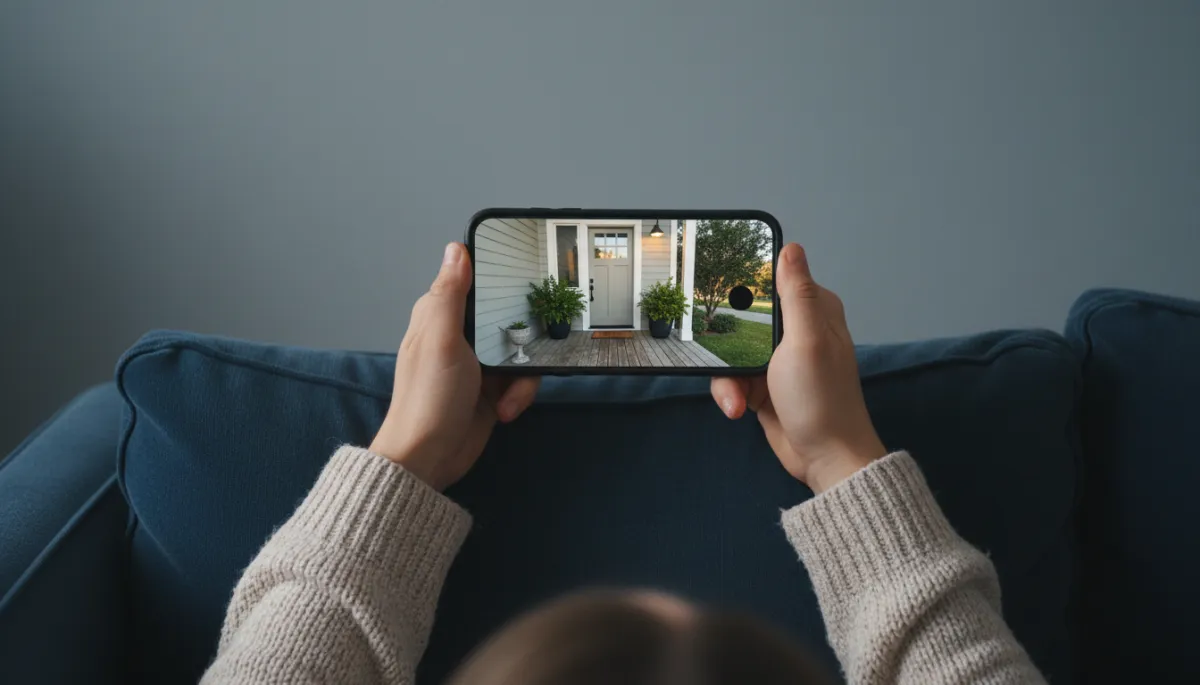
Simple home monitoring apps let you quickly check in without interrupting your vacation.
💡 Friendly Tip: Decide how often you want to check your cameras or sensors. A quick glance once or twice a day can be reassuring, but you do not need to stare at your phone to stay safe.
Step 4: Be Smart About What You Share (Online and Offline)
We live in a world where it is natural to share our adventures online. But from a vacation safety perspective, announcing that your home is empty for a week is not ideal. A few small changes to your habits can help protect your home without taking the fun out of documenting your trip.
Save the big vacation posts for when you return. Share photos and stories after the trip instead of in real time, especially if your account is public or has followers you do not know personally.
Avoid posting exact travel dates or daily countdowns that clearly show when you will be gone and for how long.
Talk to kids and teens about not posting “Home alone!” or “Parents are out of town!” content that might unintentionally invite trouble.
Offline, be just as thoughtful. You do not have to tell every acquaintance that you will be away for two weeks. Share your plans with trusted neighbors, close friends, and anyone who is helping with home monitoring—not with casual contacts who do not need the details.
Step 5: Build a Simple “Home Care Team” While You Travel
One of the most reassuring travel tips for vacation safety is to make sure at least one other person is casually keeping an eye on your place. This does not have to be complicated. A friendly neighbor, a nearby family member, or even a reliable house sitter can make a world of difference when it comes to protecting your home.
Ask someone you trust to stop by a couple of times a week. They can bring in mail, adjust blinds slightly, and check that everything looks normal inside and out.
If you have pets, consider an in-home pet sitter instead of boarding. Their presence naturally improves home security and keeps your furry friends comfortable in their usual space.
Leave clear instructions for emergencies: how to reach you, where the main water shutoff is, and what to do if they notice anything unusual.
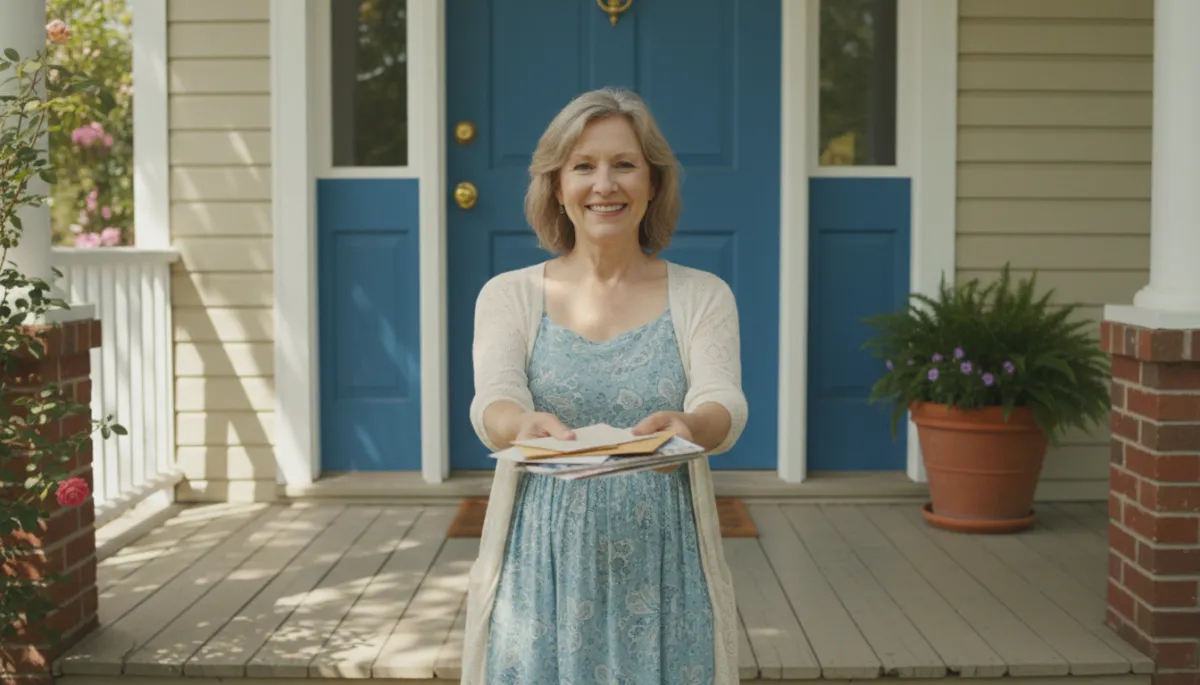
A trusted neighbor is one of the most effective and affordable security partners you can have.
💡 Friendly Tip: Offer to swap favors. You watch their place when they travel; they watch yours. It builds community and boosts safety for everyone.
Step 6: Protect Valuables and Sensitive Information
Even with strong home security, it is wise to limit what a burglar could walk away with if they did get inside. A few thoughtful habits can dramatically reduce the potential impact of a break-in and help prevent burglary from turning into identity theft or a major financial loss.
Store important documents—passports, birth certificates, financial records—in a small safe or a locked drawer that is not obvious at first glance.
Put jewelry, heirlooms, and other irreplaceable items somewhere secure, or consider a safe deposit box for your most valuable possessions if you travel often.
Do not leave small electronics, wallets, or spare keys sitting out in obvious spots like kitchen counters or entry tables.
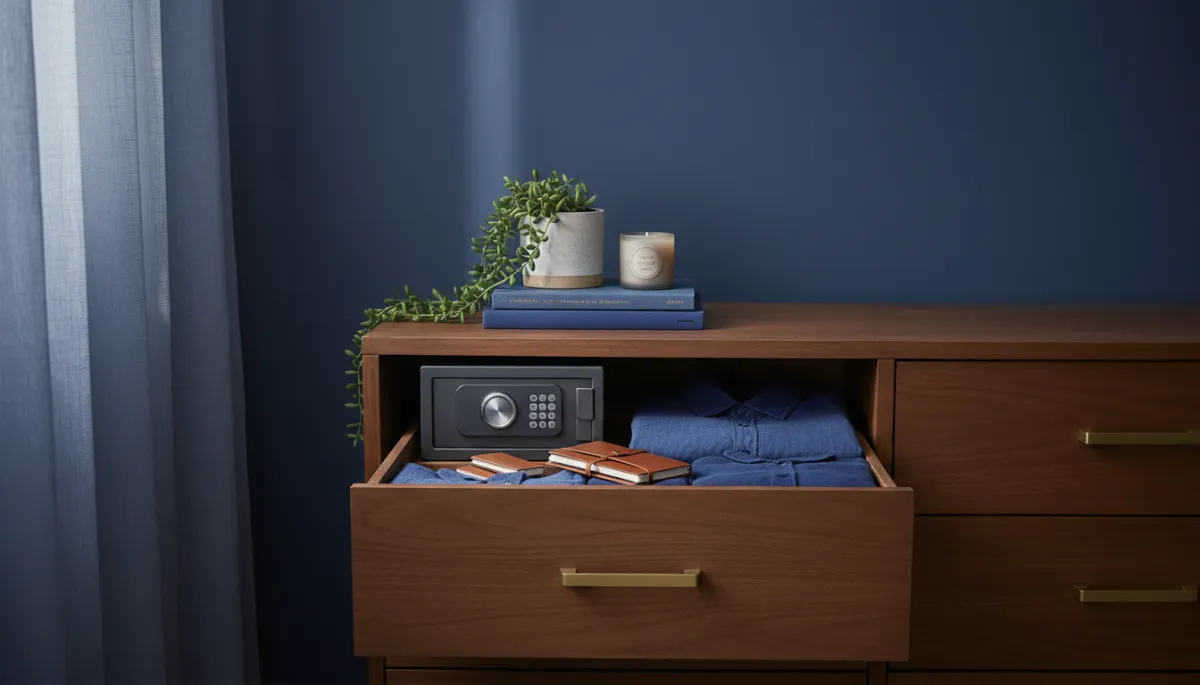
A compact safe or hidden drawer can keep your most important items secure while you are away.
Step 7: Do a Final Walkthrough Before You Leave
On departure day, it is easy to get caught up in last-minute packing and rushing to the airport. A calm, deliberate walkthrough is one of the best travel tips you can give yourself. It only takes a few minutes and can catch simple mistakes that might otherwise nag at you the whole flight.
Check that all doors and windows are locked, including garage and basement entrances.
Confirm that smart lights, timers, and home monitoring systems are set the way you want them.
Unplug small appliances you do not need, like toasters or hair tools, to reduce fire risk and save energy.
Double-check that valuables are stored securely and that garage door openers are not left in a car parked outside.
💡 Friendly Tip: Keep a simple checklist on your phone labeled “Vacation Home Check.” Reuse it every time you travel so you never forget the basics.
Balancing Peace of Mind and Enjoying Your Trip
At the heart of all these home security and vacation safety tips is a simple goal: to help you relax. When you know you have done what you reasonably can to protect your home and prevent burglary, it becomes much easier to sink into that lounge chair, explore a new city, or enjoy time with family without that nagging “Did I forget something?” feeling in the back of your mind.
You do not need a fortress or a high-tech command center to stay safe. Thoughtful home monitoring, a little help from people you trust, and a few simple routines can give you the same sense of security as far more complicated setups. Start with the basics that feel right for your home and your budget, and build from there over time if you like.
Putting It All Together: Your Vacation-Ready Home Checklist
To make things easy, here is a quick summary you can save or print before your next trip. These steps combine the key ideas of home security, vacation safety, and everyday travel tips to help you confidently protect your home while you are away:
Set lights on timers or smart schedules so your home looks lived-in.
Secure all doors, windows, and entry points, including garages and side gates.
Use simple home monitoring tools like cameras or doorbells, and test them before you go.
Be careful about posting real-time travel updates on social media; share the highlights when you get back instead.
Ask a trusted neighbor, friend, or sitter to keep an eye on things and bring in mail or packages.
Store valuables and important documents in a safe or hidden, secure spot.
Do a calm final walkthrough before you leave, using a checklist so you do not have to rely on memory alone.
With these habits in place, every trip becomes a little easier. You lock the door, take a deep breath, and head out knowing you have done what you can to create a safe, welcoming home that will be ready to greet you when you return. That is what real vacation safety looks like: not just staying safe on the road, but feeling secure about the place you love most.
So the next time you plan a getaway, treat “protect the house” as part of your packing list. A few extra minutes of preparation can buy you days of genuine peace of mind—and that is one of the best souvenirs you can bring home from any trip.
