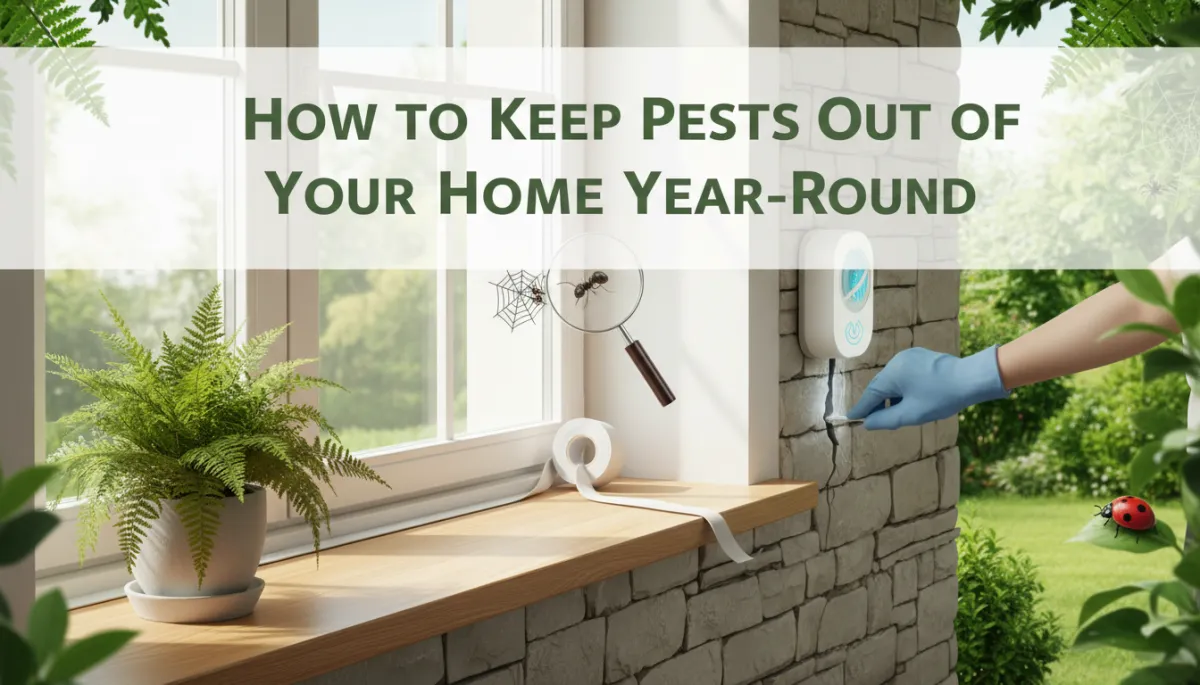
Keep Pests Out Year-Round: Home Pest Control Tips
Home Care, Pest Control, Household Pests
How to Keep Pests Out of Your Home Year-Round
A cozy, comfortable home can quickly feel less inviting when ants, roaches, mice, or spiders decide to move in. The good news is that a simple, steady approach to pest control can keep most household pests outside where they belong, all year long.
Why Year-Round Pest Control Matters
Many people only think about pest control when they see a line of ants in the kitchen or a spider in the shower. But most household pests are active in some way during every season. A truly year-round pest strategy means you are preventing problems before they show up, not just reacting when you spot an unwelcome guest.
In spring and summer, ants, flies, wasps, and mosquitoes are on the move. Fall brings rodents looking for warmth and food. Winter sends insects and spiders into cracks and crevices to ride out the cold. By thinking seasonally and building good habits, you can make your home less attractive to them in every month of the year.
💡 Friendly Tip: If you see one pest, assume there may be more hiding. Treat every sighting as a helpful early warning to improve your defenses.
Step 1: Understand the Most Common Household Pests
You do not need to become an entomologist, but knowing a little about common household pests helps you choose the right prevention methods. Here are a few you are most likely to encounter:
Ants: Often attracted to crumbs, spills, and pet food. They follow scent trails, so one spill can invite a whole colony inside.
Cockroaches: Thrive in warm, moist places such as under sinks and behind appliances. They are tough and can spread allergens and bacteria.
Rodents (mice and rats): Squeeze through tiny openings, chew wires and insulation, and contaminate food with droppings.
Spiders: Often follow other insects indoors. Most are harmless, but their webs and sudden appearances can be unsettling.
Stored-product pests: Moths, beetles, and weevils that invade pantry items like flour, cereal, and nuts.
Most of these pests are simply looking for three things: food, water, and shelter. Effective pest control focuses on removing or limiting those three comforts inside your home.

Even a small spill or gap can quickly invite a trail of ants indoors.
Step 2: Seal the Gaps with Strong Insect Barriers
One of the most powerful and overlooked tools for year-round pest control is a strong physical barrier. Insect barriers and rodent-proofing materials make it physically difficult for pests to get inside in the first place. Think of it as building a small fortress around your home, but in a friendly, low-maintenance way.
Inspect doors and windows: Check for light shining around the edges at night. Add or replace weatherstripping, and install door sweeps so pests cannot crawl under exterior doors.
Seal cracks and gaps: Use silicone caulk or expanding foam around utility lines, cable entries, and gaps in siding or brick. Steel wool can block rodent entry points before sealing.
Repair screens: Fix or replace damaged window and door screens, and consider fine-mesh screens in areas with lots of flying insects.
💡 Friendly Tip: Walk around your home at dusk with a flashlight. Shine the light along the foundation, doors, and windows to spot gaps and cracks that might be easy entry points.
Step 3: Practice Everyday Pest Proofing Indoors
Once you have strengthened your insect barriers outside, turn your attention to simple indoor habits. Pest proofing the inside of your home is mostly about staying a step ahead of spills, clutter, and moisture. Small daily actions add up to big results over time.
Kitchen care: Wipe counters after meals, sweep or vacuum crumbs, and clean under appliances when you can. Store food in sealed containers, including pet food and snacks.
Trash management: Use bins with tight-fitting lids and empty them regularly. Rinse recyclables to avoid sticky residue that attracts insects.
Control moisture: Fix leaky faucets, running toilets, and damp areas in basements or under sinks. Many pests thrive in humid, wet environments.
Reduce clutter: Stacks of cardboard, paper, and unused items create hiding spots for roaches, spiders, and rodents. Aim for tidy, easy-to-clean spaces.

Clean surfaces and sealed containers remove the food sources pests count on.
Step 4: Use Pest Control Products Wisely and Safely
Even with great habits, you may occasionally need extra help from pest control products. The key is to use them thoughtfully, focusing on targeted solutions rather than heavy, unnecessary treatments. Always read labels carefully and follow safety directions, especially if you have children or pets at home.
Baits and traps: Ant baits, roach baits, and snap traps for rodents can be very effective when placed in areas where pests travel, such as along walls and behind appliances.
Crack-and-crevice sprays: These are designed for specific hiding spots, not for broad spraying over floors and counters. Use them in small, hidden areas where pests nest or enter.
Professional help: If you are dealing with termites, large rodent infestations, or repeated issues, a licensed pest control professional can design a year-round plan tailored to your home.
⚠️ Friendly Warning: More product is not always better. Overusing sprays can be unsafe and may not solve the root cause of your pest problem.
Step 5: Try Pest Proofing with Natural Options
If you prefer a gentle, eco-conscious approach, you can still build an effective year-round pest plan. Pest proofing with natural methods focuses on prevention, cleanliness, and low-toxicity products that support a healthier home environment.
Essential oils: Some people use peppermint, lavender, or citrus oils as light deterrents for ants and spiders. Apply carefully in small amounts along entry points, keeping them away from pets that may be sensitive.
Diatomaceous earth (food grade): This fine powder can be sprinkled in dry, hidden areas where crawling insects travel. It works mechanically, not chemically, by damaging the outer layer of insects.
Beneficial landscaping: Trim plants away from your foundation, store firewood off the ground, and avoid thick mulch piled against the house. These simple steps reduce hiding places right next to your walls.

Thoughtful landscaping and natural barriers make your foundation less inviting to pests.
Build a Simple Year-Round Pest Control Routine
The secret to keeping household pests away is consistency, not complexity. You do not need an elaborate system; you just need a few small tasks spread throughout the year. Here is a friendly, easy-to-follow schedule you can adapt to your home:
Every week: Wipe kitchen surfaces, sweep or vacuum floors, take out the trash, and check pet feeding areas for spills or crumbs.
Every month: Inspect under sinks for leaks, look behind or under appliances, and check pantry items for signs of stored-product pests.
Every season: Walk around your home’s exterior, refresh caulk or weatherstripping as needed, and trim plants away from walls and rooflines.
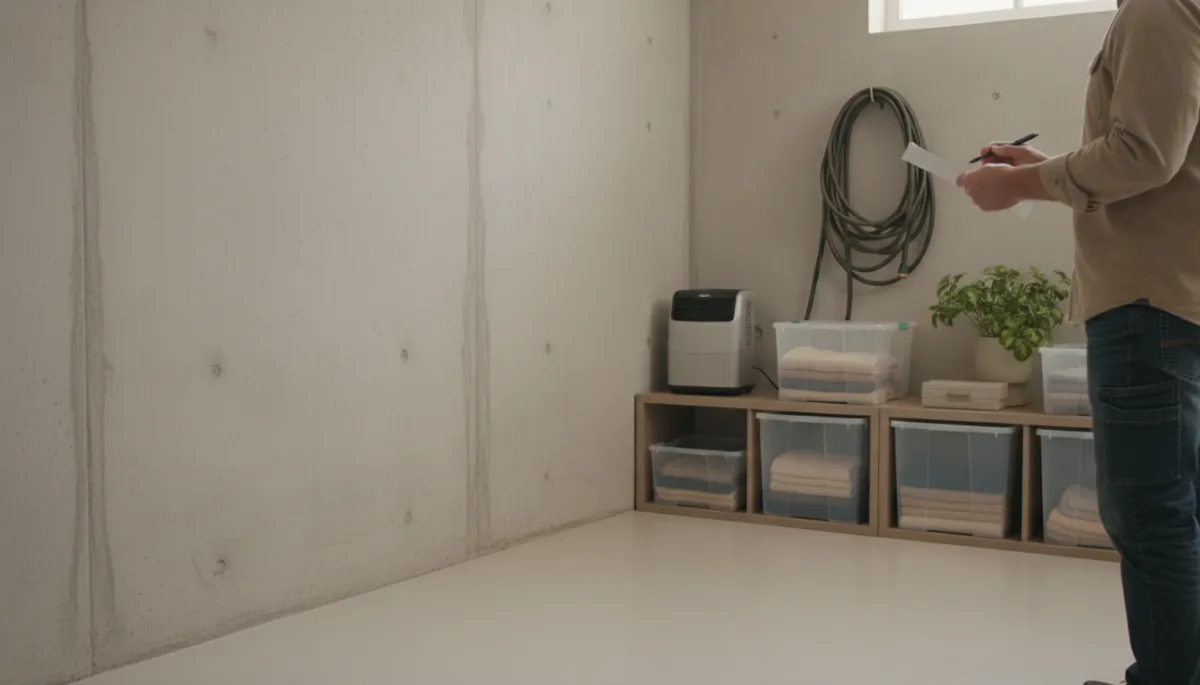
A simple seasonal checklist keeps your year-round pest control on track.
When to Call a Professional for Extra Support
Even the most diligent homeowners sometimes face stubborn pest problems. If you notice frequent droppings, strange odors, wood damage, or pests appearing again and again despite your efforts, it may be time to call in professional pest control services. A good provider will inspect your home thoroughly, explain what they find, and design a year-round pest plan that pairs professional treatments with your everyday habits.
Remember, you and your pest control professional are a team. Your regular cleaning, sealing, and pest proofing efforts make their work more effective, and their expertise helps you focus on the most important areas to protect.
Enjoy a Comfortable, Pest-Resistant Home All Year
Keeping pests out of your home does not have to be stressful or time-consuming. By combining strong insect barriers, smart cleaning habits, and thoughtful pest proofing—with a mix of natural options and targeted products—you can create a space that feels fresh, safe, and welcoming in every season.
Start with one small change this week: seal a gap, clean a forgotten corner, or organize your pantry. Then build from there. Over time, these friendly, manageable steps turn your house into a place where you, your family, and your guests feel at home—and where unwanted pests simply do not get an invitation.
